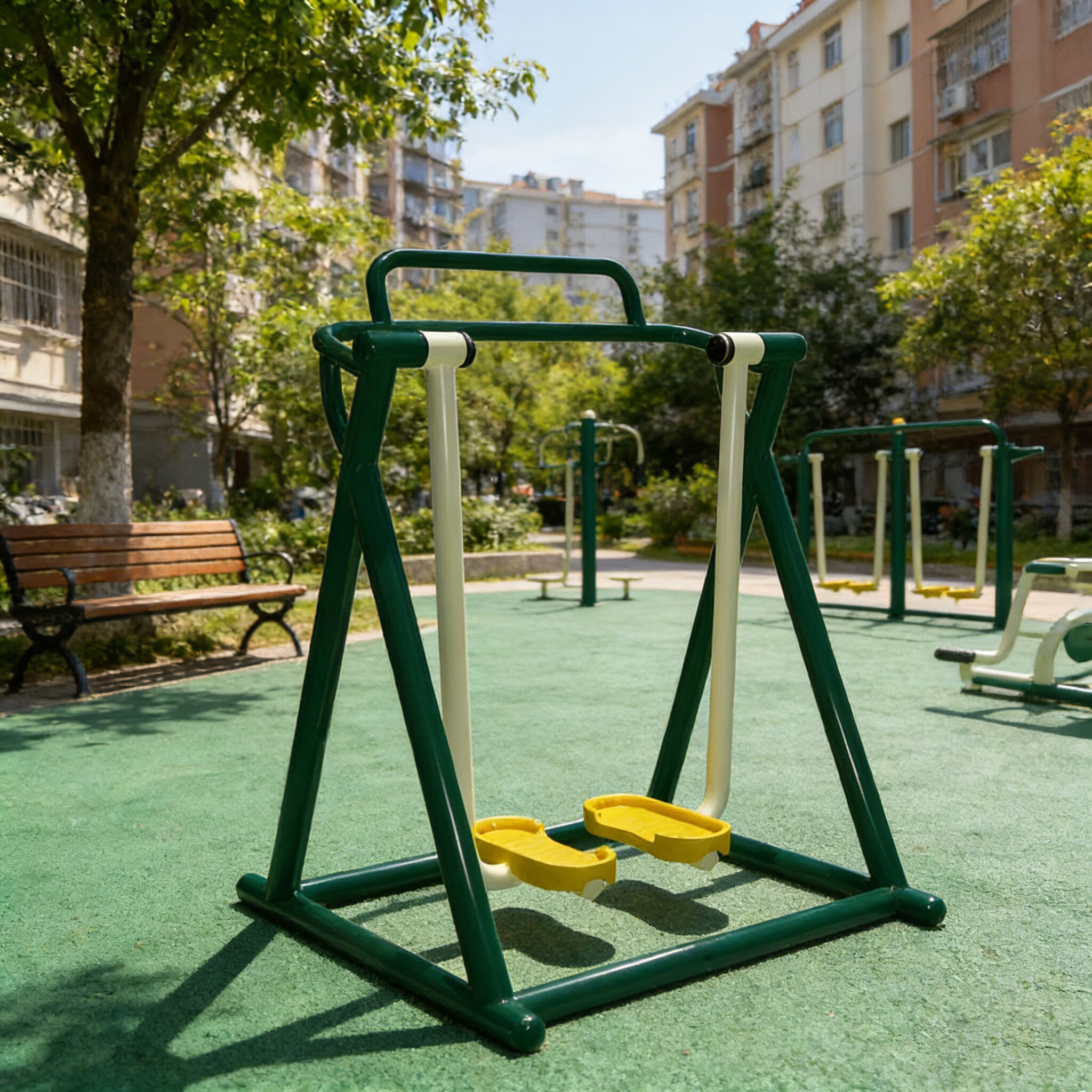
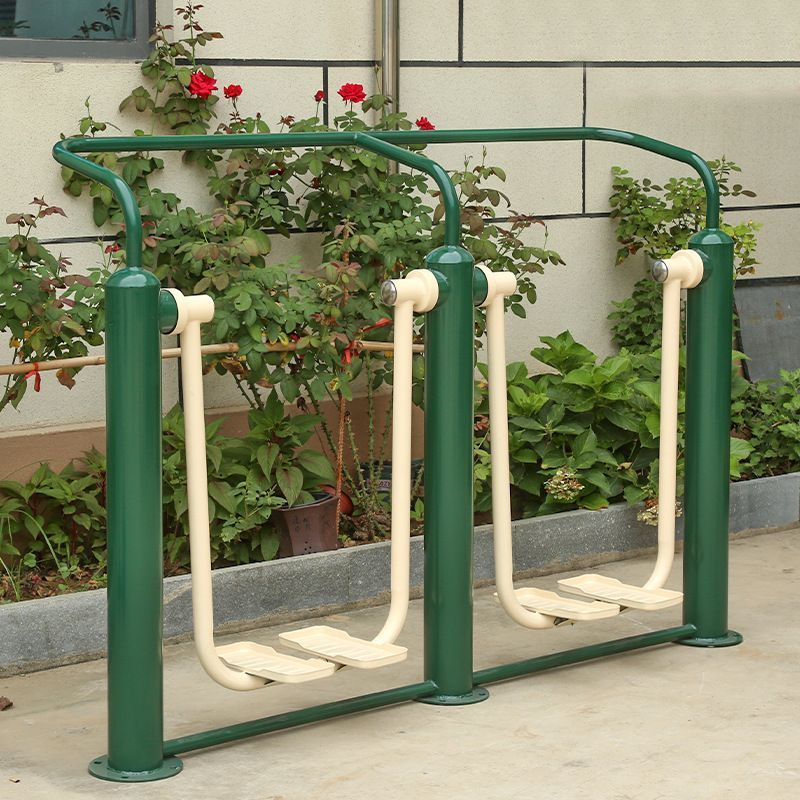
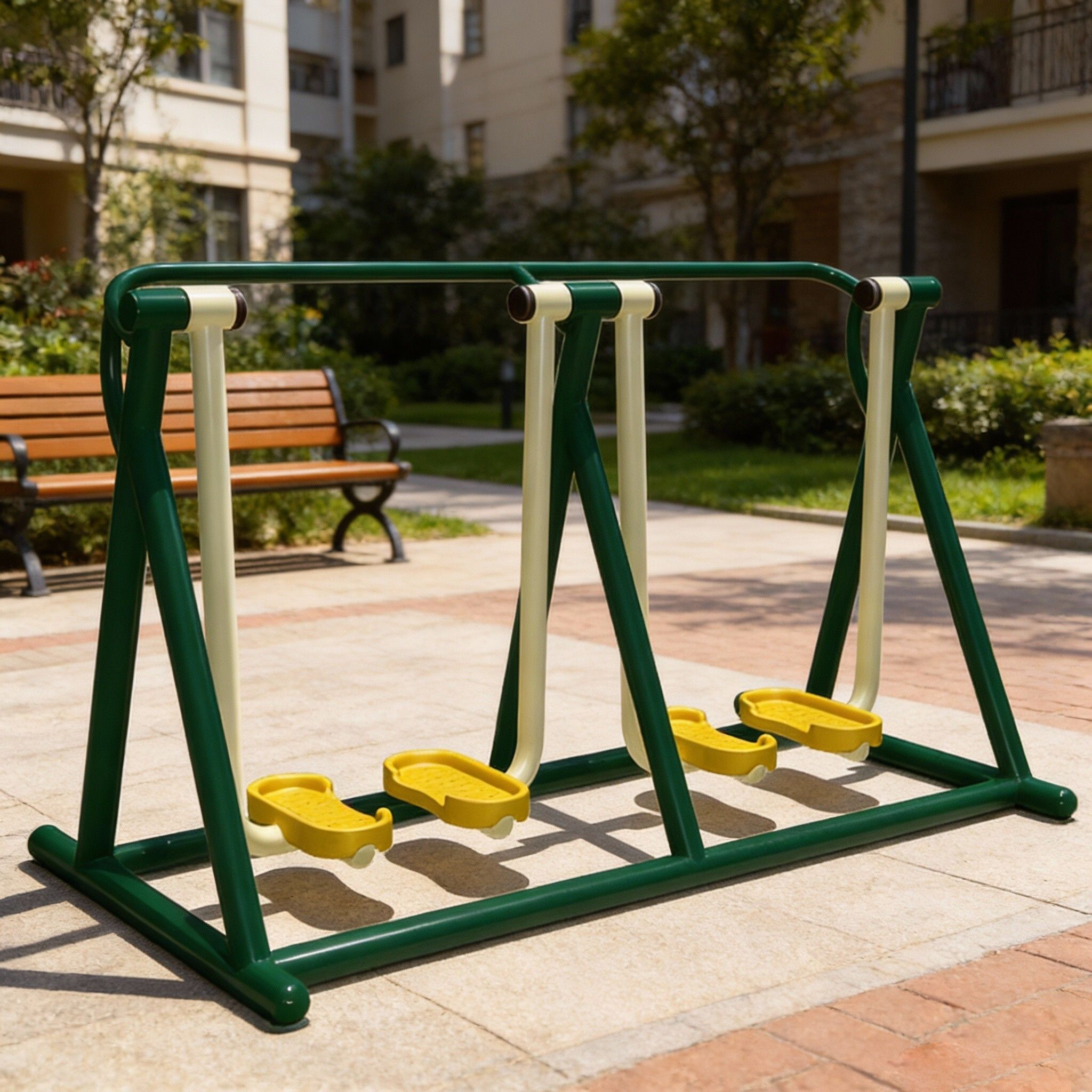
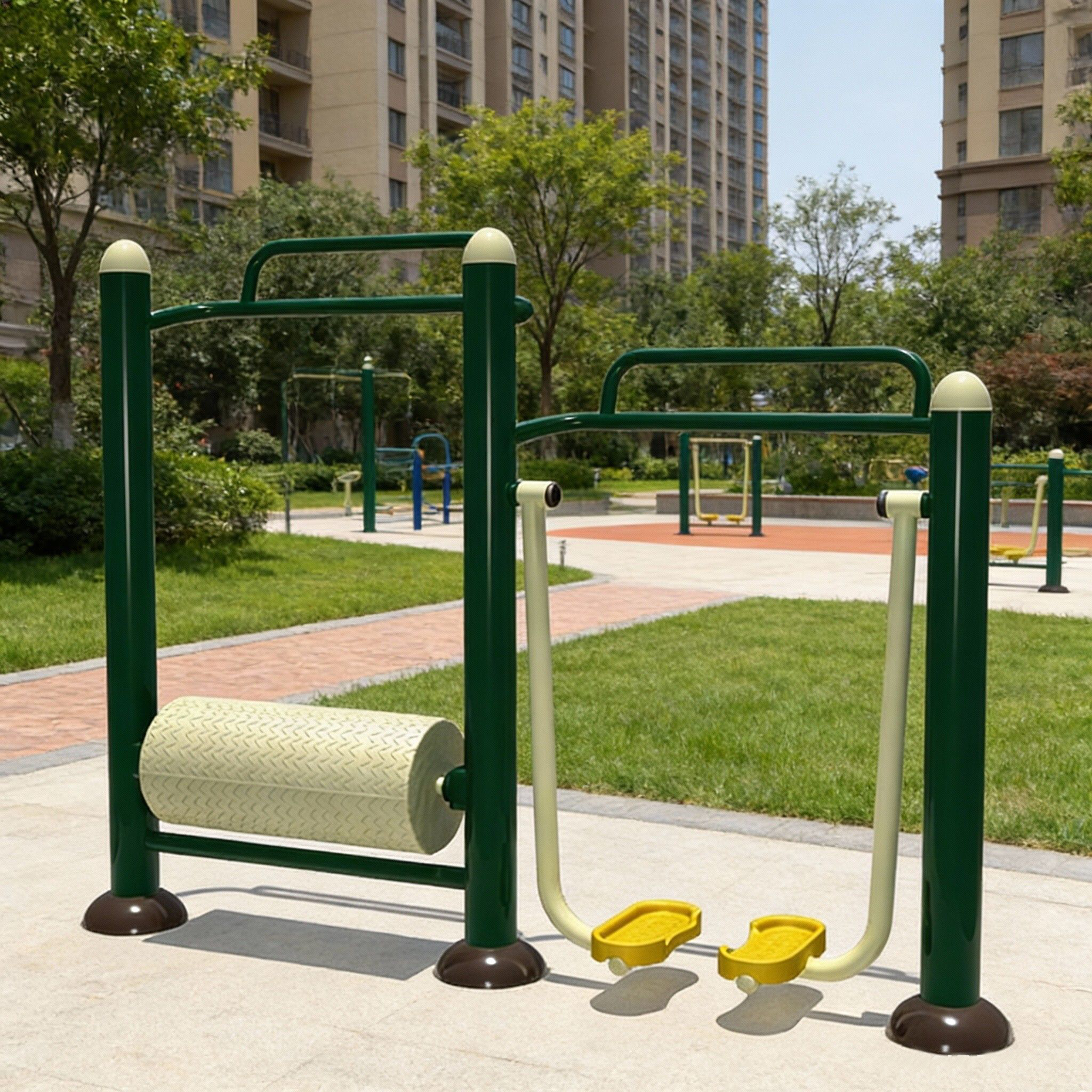
The walking machine is designed to improve cardiovascular fitness and body coordination and balance, while also providing exercise and relaxation for the hip joints. To use it, hold the front handlebars with both hands, place your feet on the pedals, lean your upper body forward, and bend your lower limbs to perform a forward and backward stepping motion. The swinging motion should not be too fast. (Walking machines are available in different specifications, including single-person and multi-person models.)
In today’s fast-paced society, where time for outdoor activities is often limited by work schedules and weather conditions, the walking machine has become a staple in both home gyms and public fitness centers. This adaptable fitness equipment is specifically engineered to enhance cardiovascular fitness, a cornerstone of overall health, while simultaneously improving body coordination and balance. Beyond these core benefits, it also offers gentle exercise and relaxation for the hip joints, addressing a common area of tension for people who spend long hours sitting. Unlike high-impact exercises such as running, the walking machine provides a low-strain workout experience, making it accessible to a wide range of users—from fitness beginners to older adults seeking to maintain physical activity.
Using a walking machine correctly is straightforward, but following proper form ensures maximum effectiveness and safety. To begin, stand facing the equipment and adjust the height of the front handlebars if the model allows—they should align with your waist or slightly below to promote a natural forward lean. Hold the handlebars firmly with both hands; these serve as a stability aid, especially for new users, and help maintain proper posture throughout the workout. Next, place one foot on each pedal, ensuring your feet are centered and flat to avoid slipping. Shift your weight gently onto the pedals, then lean your upper body forward slightly—this posture mimics natural walking and engages the core muscles to support your torso. Bend your lower limbs and start performing a smooth forward and backward stepping motion, allowing the pedals to guide the movement of your legs. The key to a beneficial workout is maintaining a steady, controlled rhythm; the swinging motion of your legs should not be too fast, as rushed movements can lead to poor form, muscle strain, or loss of balance.
The physiological benefits of the walking machine extend far beyond basic movement. By sustaining the stepping motion, your heart rate increases gradually, which strengthens the heart muscle and improves cardiovascular endurance over time. This enhanced endurance translates to better performance in daily activities, such as climbing stairs or walking long distances, without feeling fatigued. The coordinated stepping action also engages multiple muscle groups, including the quadriceps, hamstrings, calves, and glutes, toning and strengthening the lower body. As you focus on maintaining balance and rhythm, your body’s coordination improves, and the small stabilizing muscles around the ankles, knees, and hips are activated—reducing the risk of falls, a significant concern for older adults. Additionally, the gentle back-and-forth motion of the pedals provides a mild stretch and mobilization for the hip joints, relieving the stiffness caused by prolonged sitting and promoting greater range of motion.
One of the walking machine’s greatest advantages is its versatility, reflected in the variety of specifications available to suit different needs and spaces. The most common models include single-person and multi-person versions, each designed for specific usage scenarios. Single-person walking machines are compact and lightweight, making them ideal for home use or small apartments. They often feature adjustable resistance levels, allowing users to increase the intensity of their workout as their fitness improves, and some come with built-in monitors that track time, distance, and heart rate—helping users set and achieve fitness goals. Multi-person models, on the other hand, are larger and sturdier, typically found in public places such as community centers, gyms, or senior care facilities. These models are designed to accommodate multiple users simultaneously, encouraging social interaction during workouts, which can boost motivation and adherence to a fitness routine. Some multi-person versions also include additional features like padded seats for rest breaks or extra handrails for added stability.
To ensure a safe and effective workout with the walking machine, there are several important guidelines to follow. First, always warm up before using the equipment—spend 5 to 10 minutes doing gentle stretches for the legs, hips, and lower back to prepare the muscles for movement. This reduces the risk of strains and makes the workout more comfortable. During the session, pay attention to your body’s signals: if you feel dizziness, chest pain, or severe muscle discomfort, stop immediately and rest. It’s also crucial to wear appropriate footwear—closed-toe shoes with non-slip soles provide traction on the pedals and support for the feet and ankles. After finishing your workout, cool down by reducing the pace of the stepping motion gradually, then perform a few more stretches to help the muscles relax and prevent soreness.
The walking machine’s adaptability makes it suitable for a diverse user base. For young adults, it serves as a convenient way to maintain cardiovascular health on busy days; for middle-aged individuals, it offers a low-impact option to stay active without straining joints; and for older adults, it provides a safe means to improve balance, strength, and endurance. Even individuals recovering from certain lower-body injuries can use the walking machine under medical guidance, as its controlled motion allows for gradual rehabilitation. By incorporating the walking machine into a regular fitness routine, users can enjoy improved cardiovascular health, stronger lower body muscles, better coordination, and more flexible hip joints—all while engaging in a comfortable, accessible workout.
All facilities comply with national education and safety standards. Conduct regular safety inspections and equipment updates to create a healthy and active outdoor environment for students' physical exercise and comprehensive quality development.
- The function of the slide
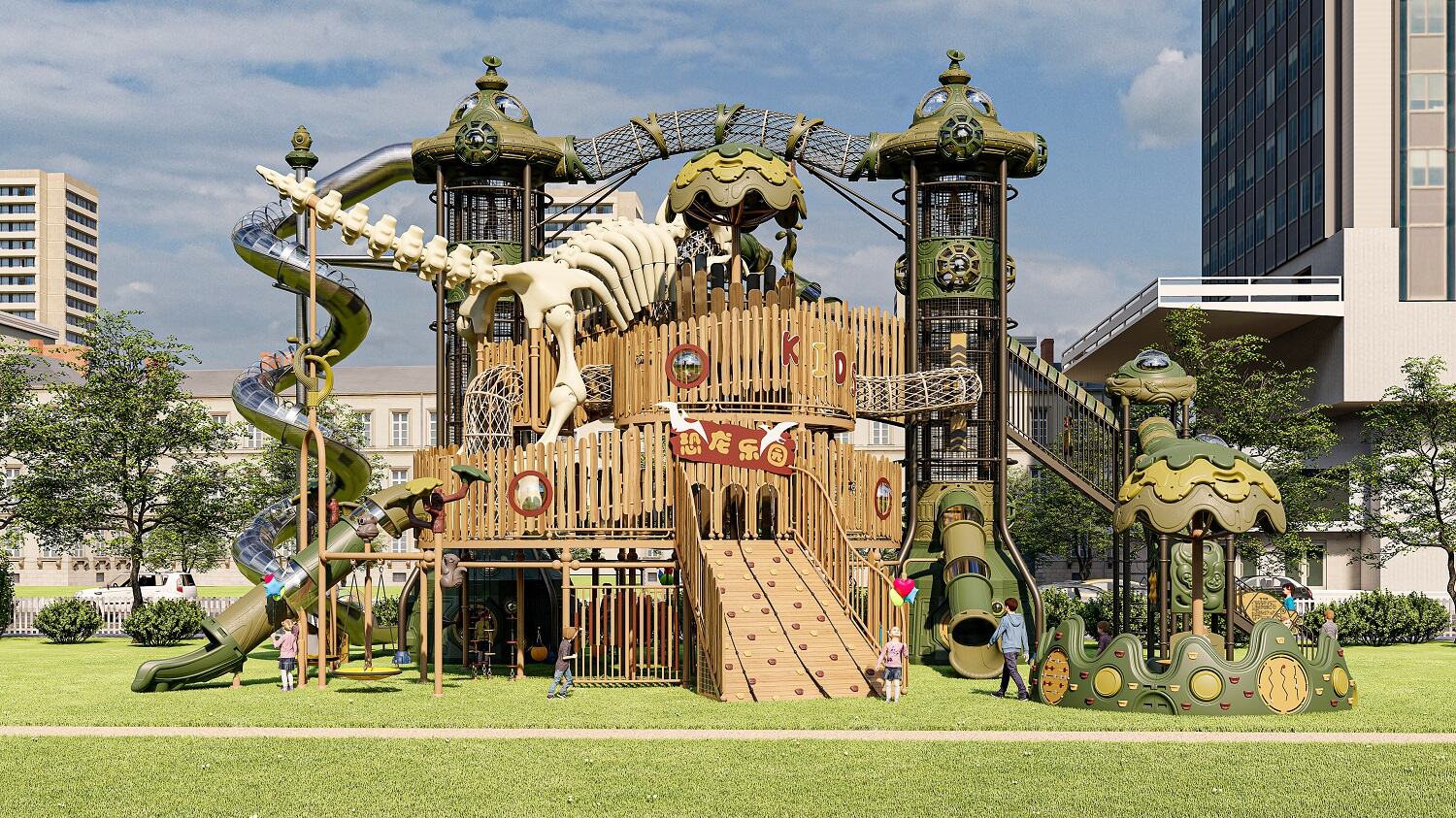
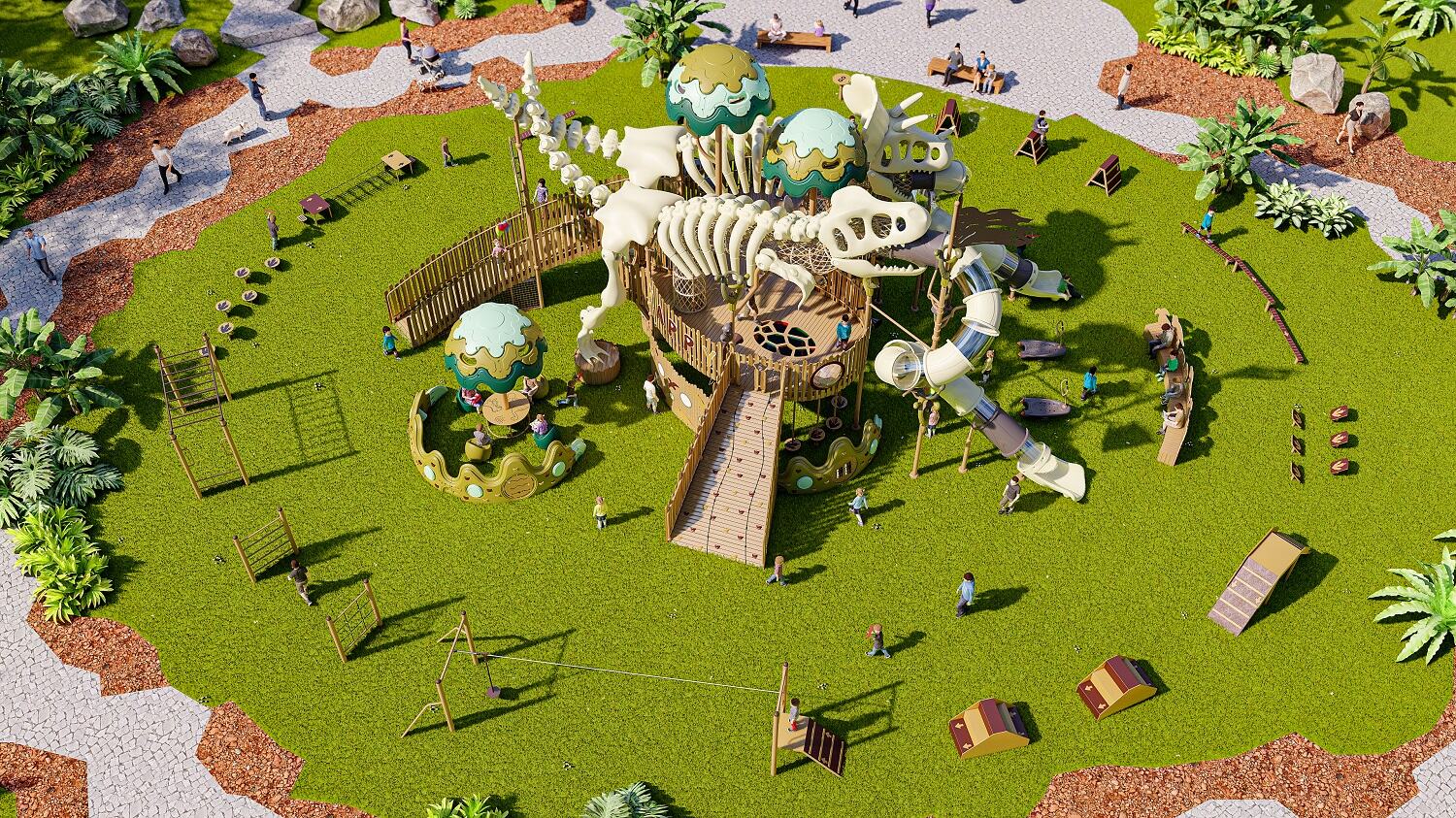
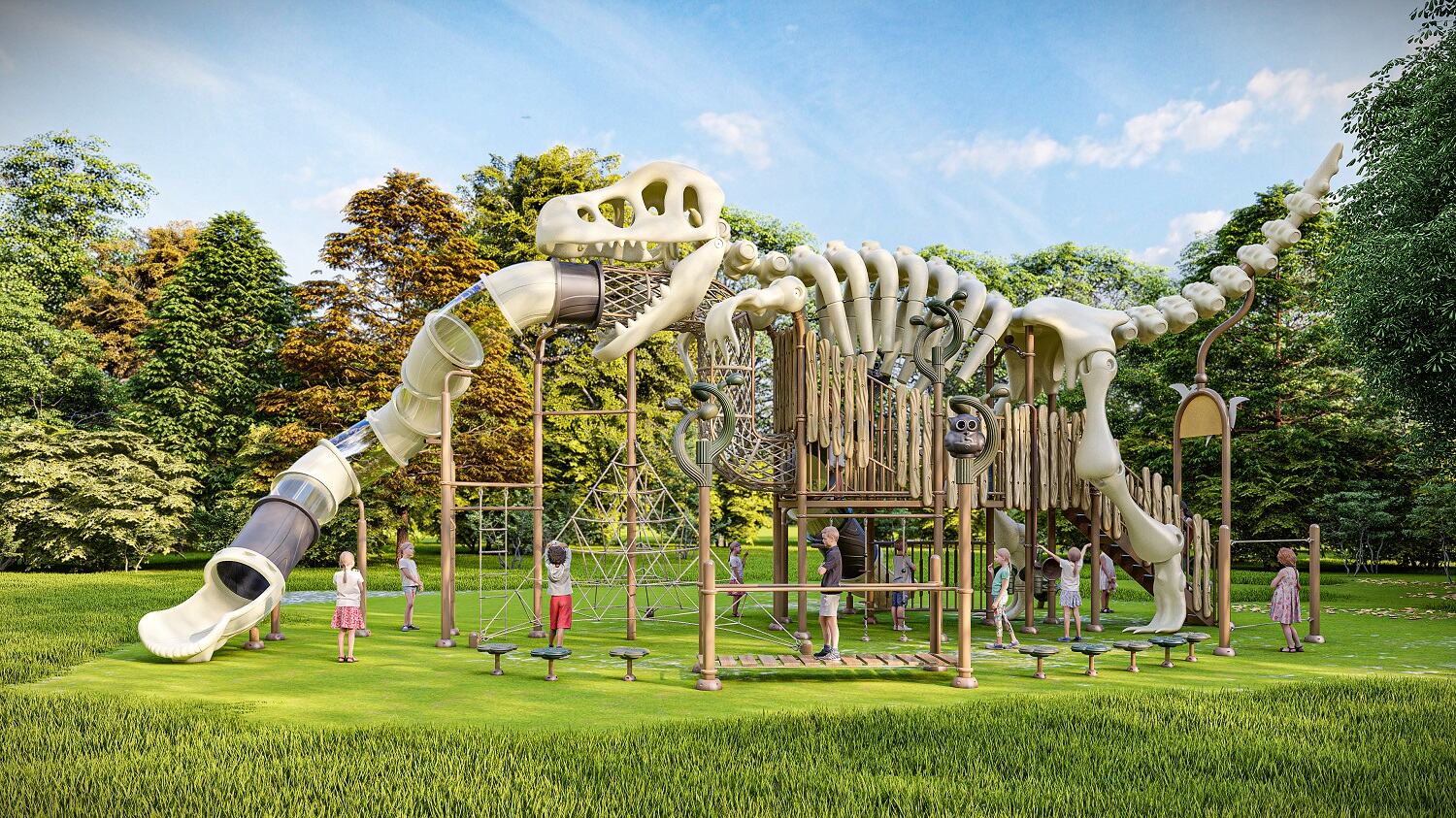
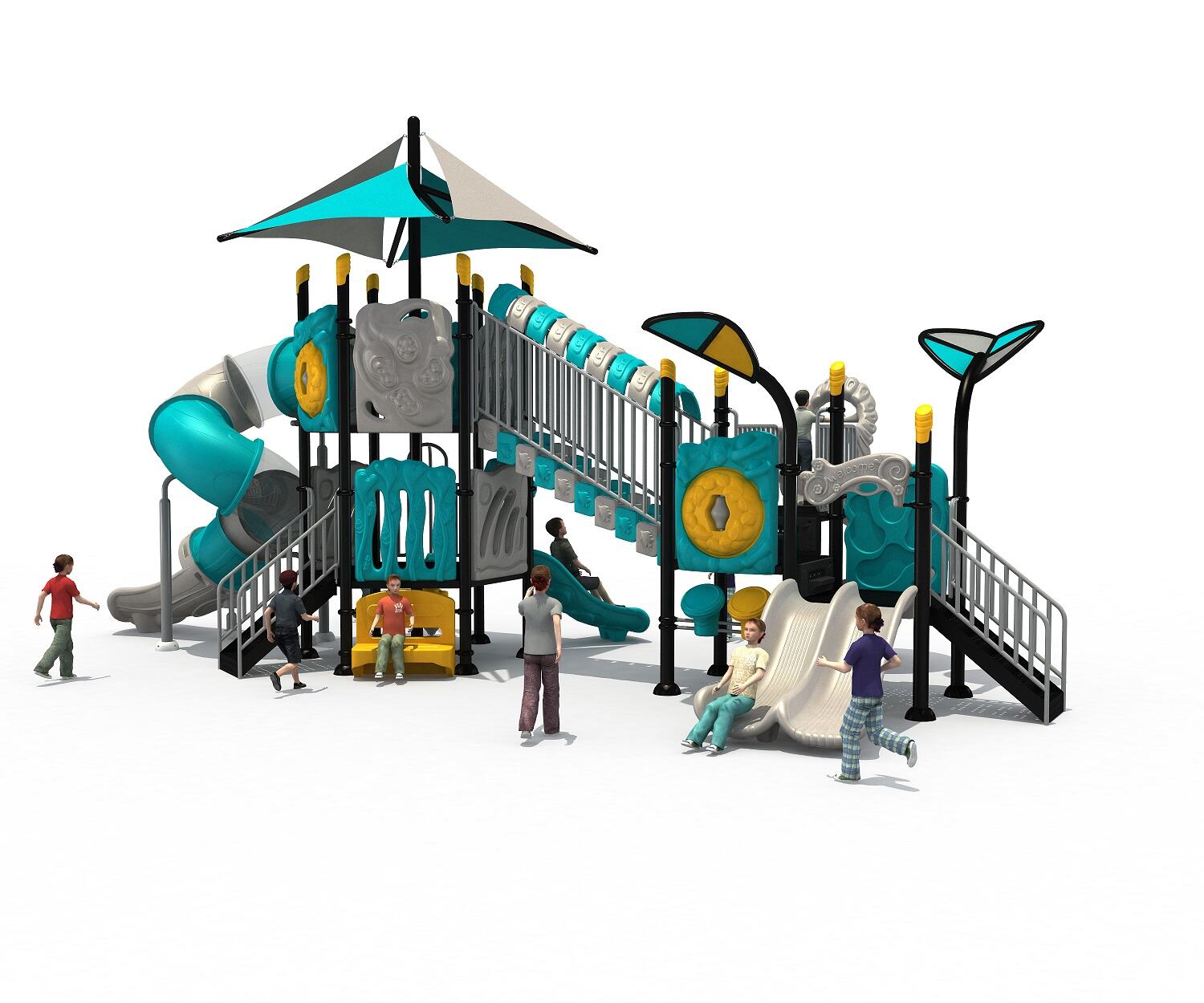
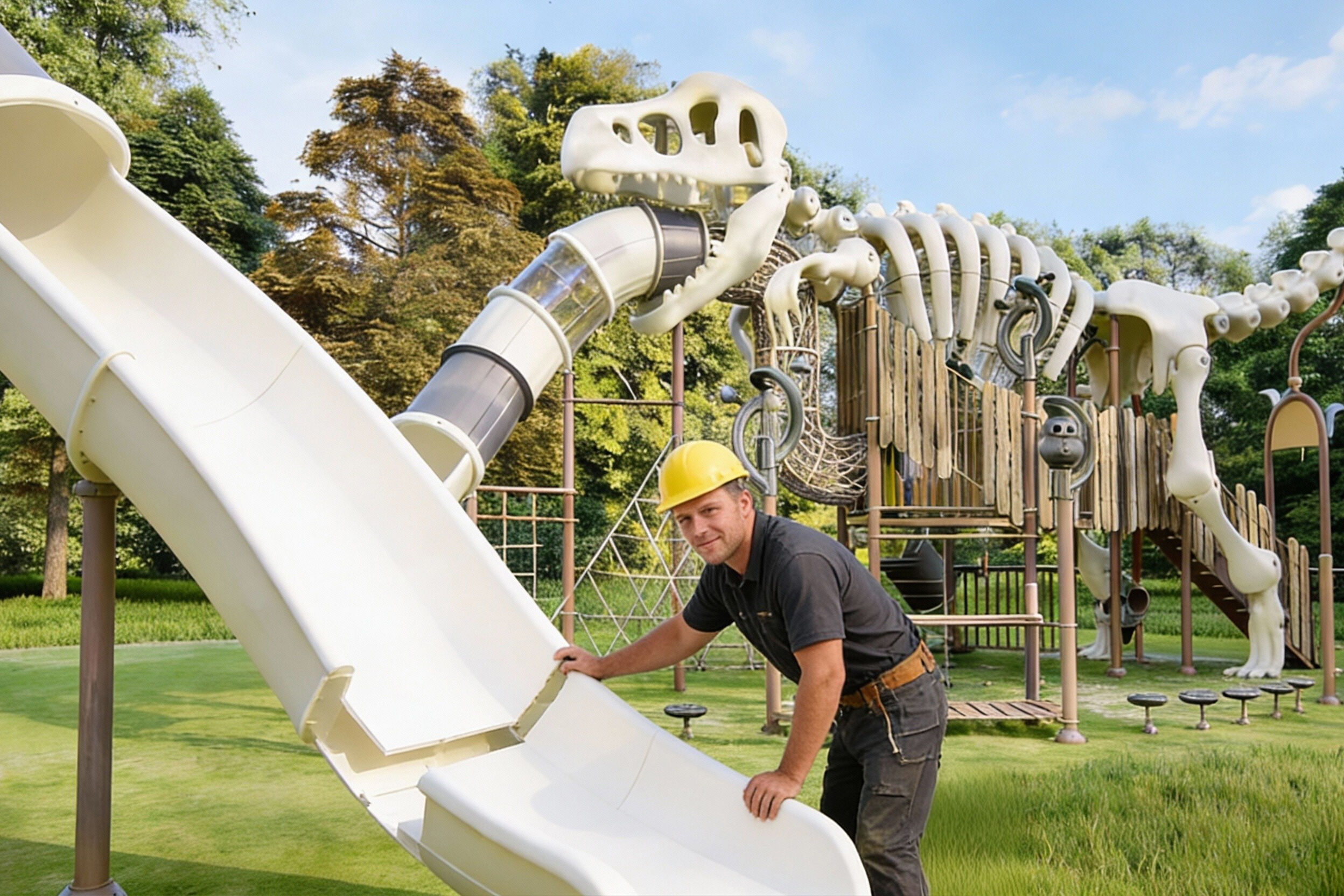
Develop distinctive outdoor entertainment projects for the scenic area to enhance its appeal. Design themed entertainment facilities based on the cultural and natural characteristics of the scenic area. In addition, this approach is also applicable to residential areas, parks, amusement parks, scenic spots, high-end kindergartens, resort centers, hotels, and children's playgrounds, etc. Provide a place for tourists and children to enjoy leisure and play.
- Installation Process
Due to the long distance, we are unable to send installation workers to the site for installation. However, we will provide you with detailed installation videos, and there will be explanations in the videos. At the same time, you can ask our sales representatives any questions you have, and they will answer them for you.









Designing Play, Inspiring Smiles. Custom play solutions for families and communities worldwide.
Copyright © 2026 by Zhejiang Baihe Industrial Co., Ltd. | Privacy Policy